If you want to know how to work in artificial intelligence, you are looking at the fastest-growing industry on the planet, transforming how we live, work, and build the future. Artificial Intelligence is no longer just a buzzword or a futuristic concept reserved for science fiction.

Ready to launch your own AI business or project? Skip the complicated coding and build fully functional websites, checkout flows, and digital campaigns in under an hour using AI. 👉 Get Lifetime Access to Skillplate Here!
Whether you are a complete beginner looking to switch careers or an experienced professional wanting to pivot into tech, learning how to work in artificial intelligence offers unmatched growth, high-earning potential, and the chance to build things that matter.
This comprehensive, SEO-optimized guide covers everything you need to know about how to work in artificial intelligence—from essential skills and non-technical roles to step-by-step career pathways—so you won’t need to look anywhere else.
Understanding the AI Landscape: What Does Working in AI Look Like?
Want to work in AI writing and content creation? Supercharge your writing workflow with dedicated AI workspaces that understand your full project context. Perfect for bloggers, copywriters, and authors! 👉 Claim Your Lifetime Access to Scribeist Now!
When people think of how to work in artificial intelligence, they usually imagine complex math equations, heavy coding, and building neural networks from scratch. While technical engineering is a massive part of the industry, the AI ecosystem is vast and requires a diverse range of talents.
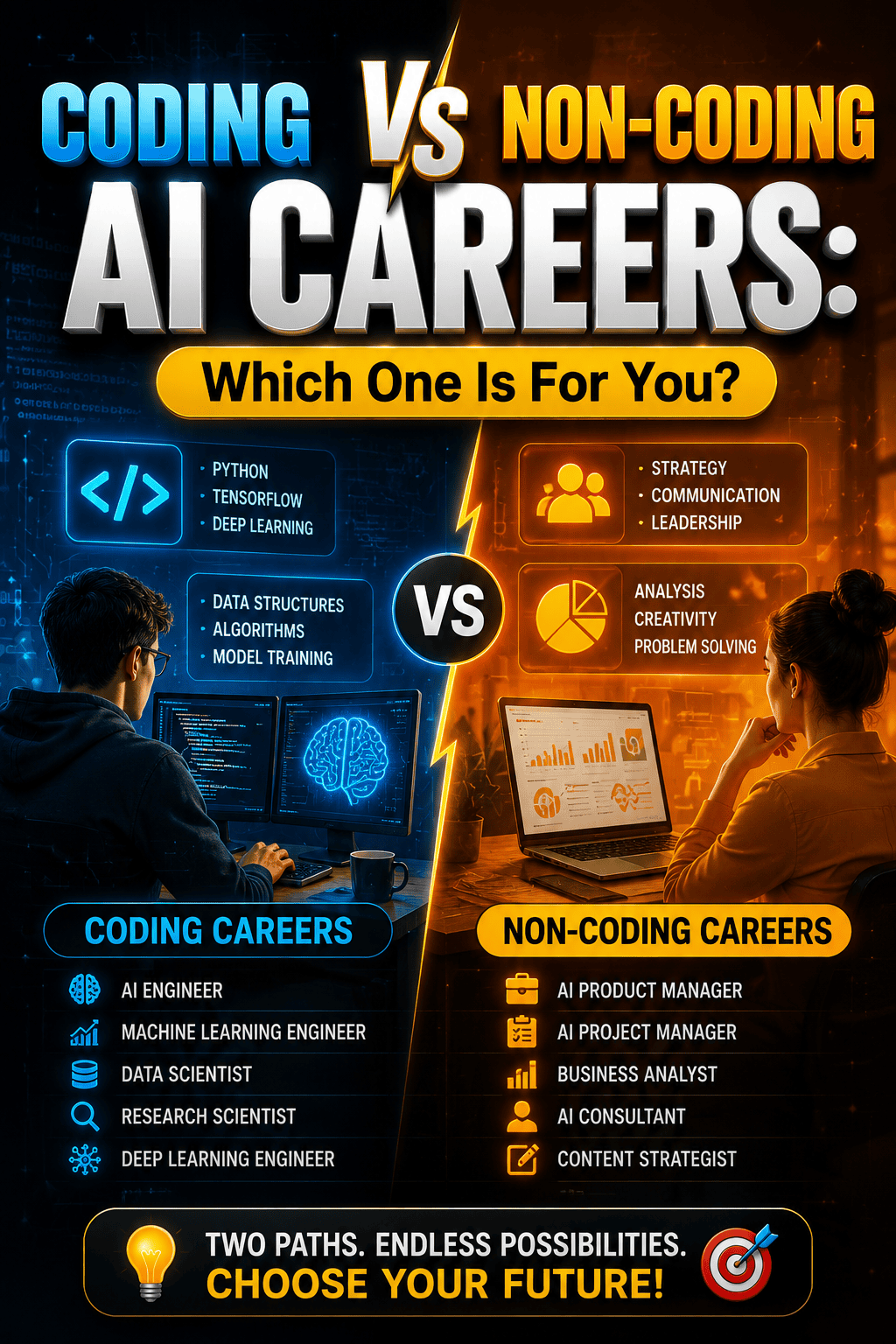
The AI job market is broadly split into two categories:
- Technical Roles: Building algorithms, training models, managing data infrastructure, and developing software.
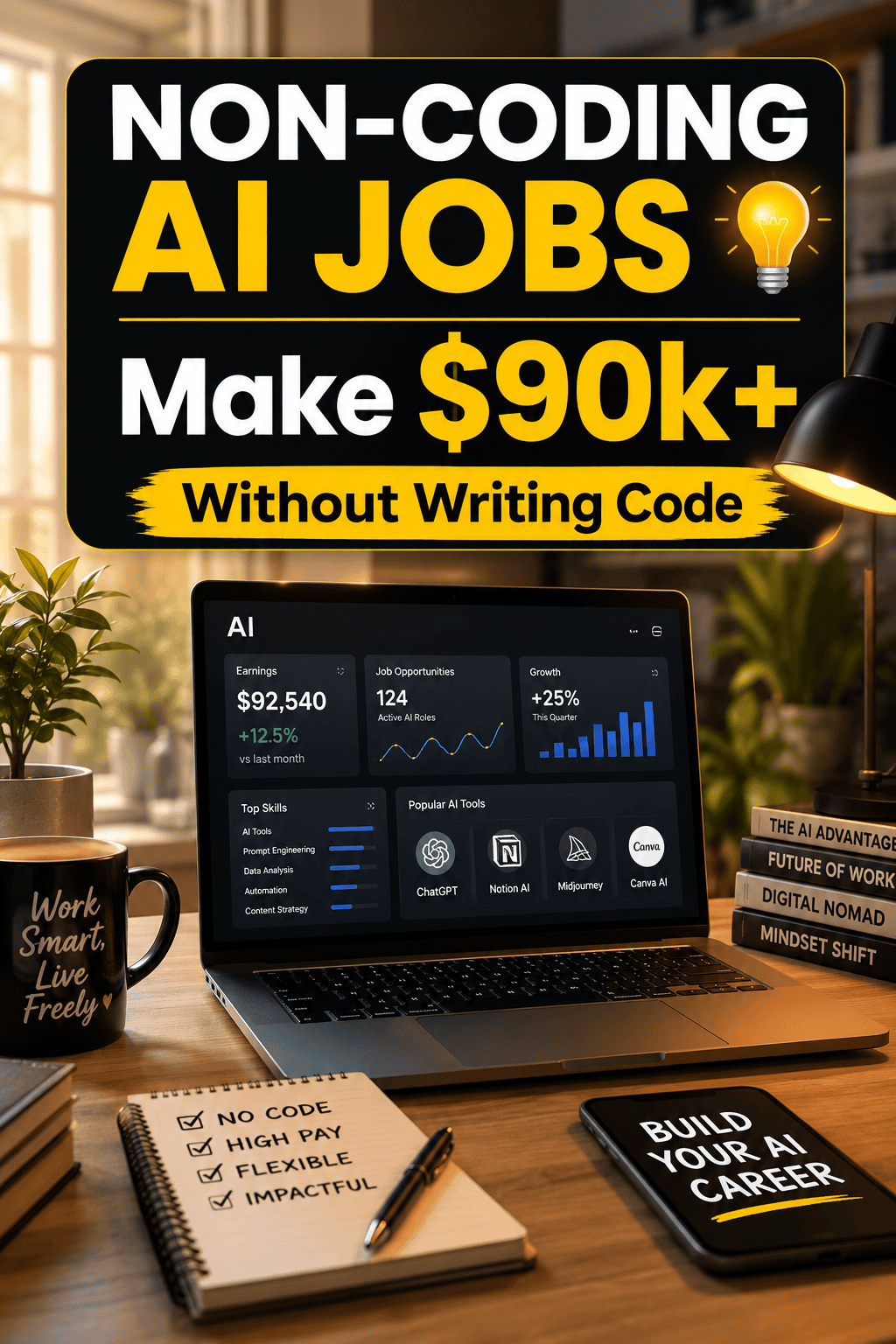
- Non-Technical Roles: Managing AI products, guiding ethical deployment, writing prompt engineering workflows, marketing AI solutions, and overseeing compliance.
Step 1: Identify Your Path (Technical vs. Non-Technical Roles)
Want to master AI-driven global marketing and SEO? Translate your website into 120+ languages instantly and rank higher on Google, ChatGPT, and Gemini searches. 👉 Get MultiLipi Lifetime Deal Today!
You do not necessarily need a Ph.D. in Computer Science or advanced coding skills if you want to know how to work in artificial intelligence. Let us look at the top roles in both categories:
Top Technical AI Roles
- Machine Learning (ML) Engineer: Focuses on writing code that allows machines to learn from data. They build, test, and deploy predictive models.
- Data Scientist: Analyzes complex datasets to extract insights and helps train models to make accurate business predictions.
- AI Research Scientist: Works on cutting-edge algorithms, pushing the boundaries of what AI can do (typically requires advanced degrees).
- Natural Language Processing (NLP) Engineer: Specializes in text, speech, and language generation technologies (the backbone of modern LLMs).
Top Non-Technical AI Roles
- AI Product Manager: Bridges the gap between tech teams and business goals, deciding what AI products to build and why.
- Prompt Engineer / AI Interaction Specialist: Designs, tests, and refines prompts and workflows to get the most accurate, high-quality output from generative AI models.
- AI Ethics & Policy Specialist: Ensures that AI systems are developed and deployed responsibly, free from bias, and compliant with global regulations.
- AI Content Strategist & Marketer: Communicates complex AI capabilities to everyday users through clear messaging, blogs, and tutorials.
Step 2: Master the Core Skills You Need to Work in Artificial Intelligence
Depending on the path you choose when learning how to work in artificial intelligence, your skill stack will vary. Here is what you need to focus on:
For Technical Pathways:
- Programming Languages: Python is the undisputed king of AI. R, C++, and Java are also valuable.
- Mathematics & Statistics: A solid grasp of linear algebra, calculus, probability, and statistics is essential for understanding how algorithms function.
- Frameworks & Libraries: Get comfortable using industry standards like TensorFlow, PyTorch, Scikit-learn, and Hugging Face.
- Data Handling: Learn SQL, data cleaning, and database management.
For Non-Technical Pathways:
- Generative AI Literacy: Master popular AI tools (ChatGPT, Claude, Midjourney, various automation platforms) to understand their strengths and limitations.
- Critical Thinking & Problem-Solving: Learn how to break down complex business problems and evaluate how AI solutions can solve them.
- Domain Expertise: Combine your existing background (finance, healthcare, marketing, real estate) with AI application knowledge. Industry-specific AI implementation is in massive demand.
Building your portfolio? Learn how to optimize pages and generate GEO-ready content for modern AI search engines to stand out in the job market. 👉 Unlock Nuwtonic SEO Lifetime Deal Here!
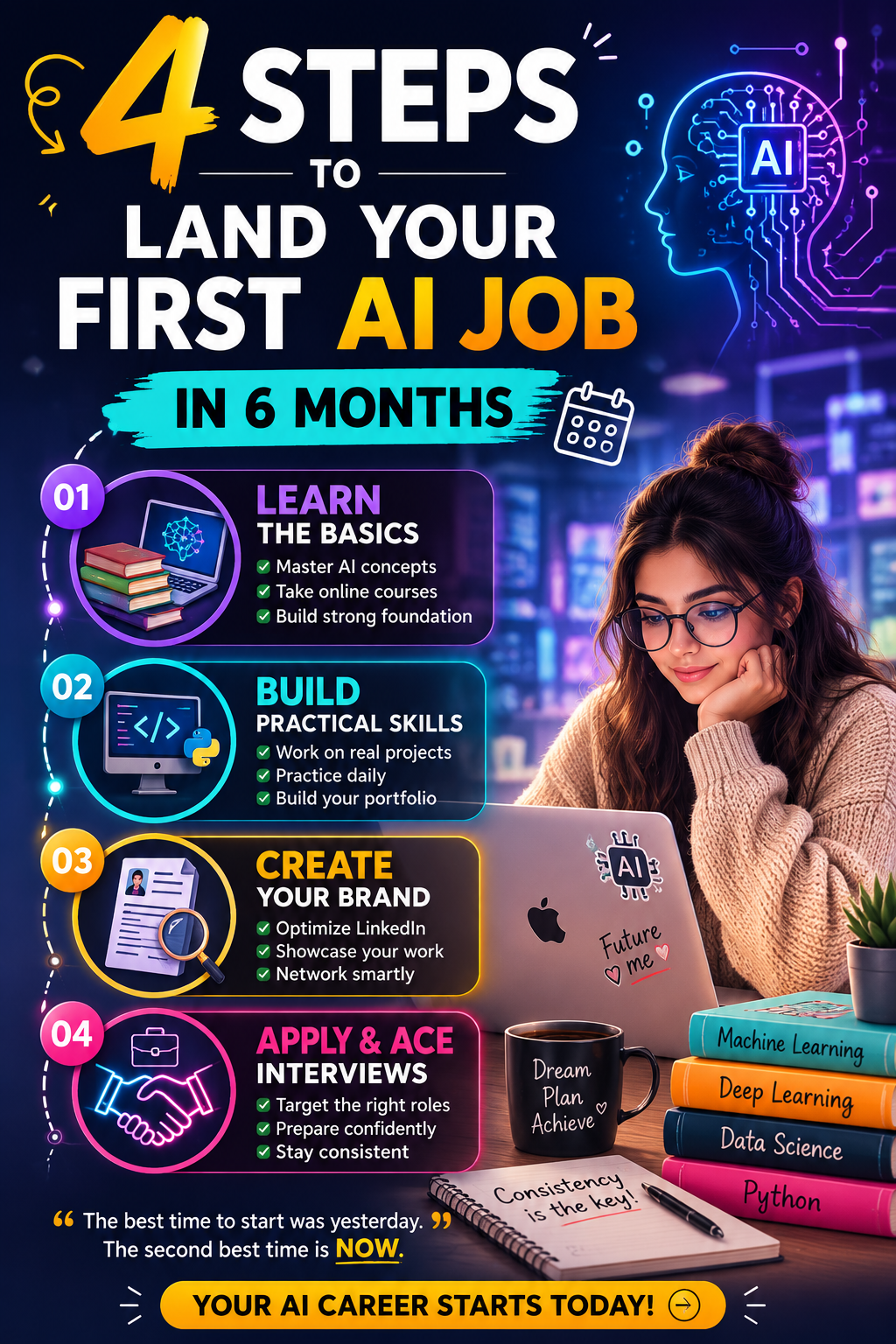
Step 3: Actionable Roadmap on How to Work in Artificial Intelligence
Discovering how to work in artificial intelligence takes dedication, consistency, and practical execution. Follow this structured roadmap to get hired:
1. Build a Foundation (Months 1–3)
- Take online courses on platforms like Coursera, edX, or specialized tech academies. Look for courses focusing on Python basics, basic data analysis, or introductory machine learning.
- Understand the fundamentals of Generative AI and Large Language Models (LLMs).
2. Gain Hands-On Experience (Months 4–6)
- Theory alone will not get you hired. Build a portfolio:
- For coders: Create open-source projects on GitHub, fine-tune open-source models, or build custom scripts.
- For non-coders: Build automated workflows using AI tools, write case studies on how AI solved a business problem, or manage a niche AI-focused blog/project.
3. Network within the AI Community
- Attend virtual and local tech meetups, webinars, and conferences.
- Engage with AI professionals on LinkedIn and X (Twitter). Share your learning journey, projects, and insights publicly. Building in public creates powerful networking opportunities.
4. Optimize Your Resume and Apply Strategically
- Tailor your resume to highlight problem-solving skills, projects completed, and adaptability rather than just formal titles.
- Look for junior roles, internships, or freelance AI integration gigs to get your foot in the door.

Want to master the most in-demand high-paying AI skill? Create, edit, and scale professional AI-powered videos effortlessly with millions of built-in stock assets and templates. 👉 Get Lifetime Access to FlexClip Here!
FAQs: Common Questions About How to Work in Artificial Intelligence
Do I need a degree in Computer Science to work in AI?
No. While a technical degree helps, the tech industry values practical skills and portfolios above all else. Many successful ML engineers and AI specialists are self-taught or transitioned from unrelated fields.
Is coding mandatory for all AI jobs?
Not anymore. With the rise of no-code AI builders, prompt engineering, AI product management, and AI ethics, there are plenty of high-paying roles that do not require heavy programming.
How is the salary outlook for AI careers?
AI professionals are among the highest-paid workers globally. Because the demand heavily outweighs the supply of qualified talent, salaries and freelancing rates in this sector remain exceptionally competitive.
Conclusion: Start Your Journey Today
Choosing how to work in artificial intelligence is one of the most rewarding career choices you can make today.
When you master how to work in artificial intelligence, you open doors to endless opportunities, as the industry constantly rewards curiosity, continuous learning, and practical problem-solving. By actively learning how to work in artificial intelligence, identifying your niche, building a strong portfolio, and staying consistent, you can carve out a highly lucrative and future-proof career in the tech world.
Start your journey today—the future belongs to those who build with AI.